

My role: Principal Product Designer (3 months) and Sr Design Manager (full time)
Timeframe: September 2024 through March of 2025
Tools: Figma, FigJam, Dovetail, Amplitude, Zoom, paper, pens, sharpies
Aurora Solar
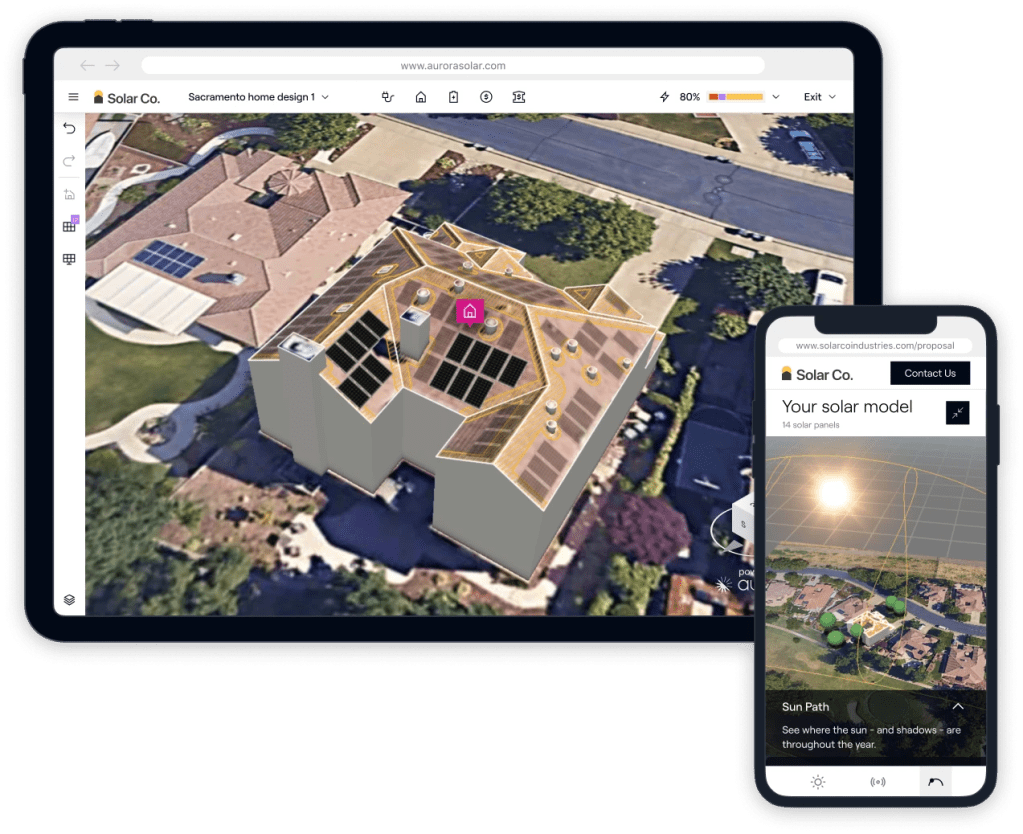
is a company that develops cloud-based software for solar design, sales, and delivery. The company’s software streamlines the process of designing and selling solar projects, making it easier for solar professionals to provide accurate and customized designs for customers.
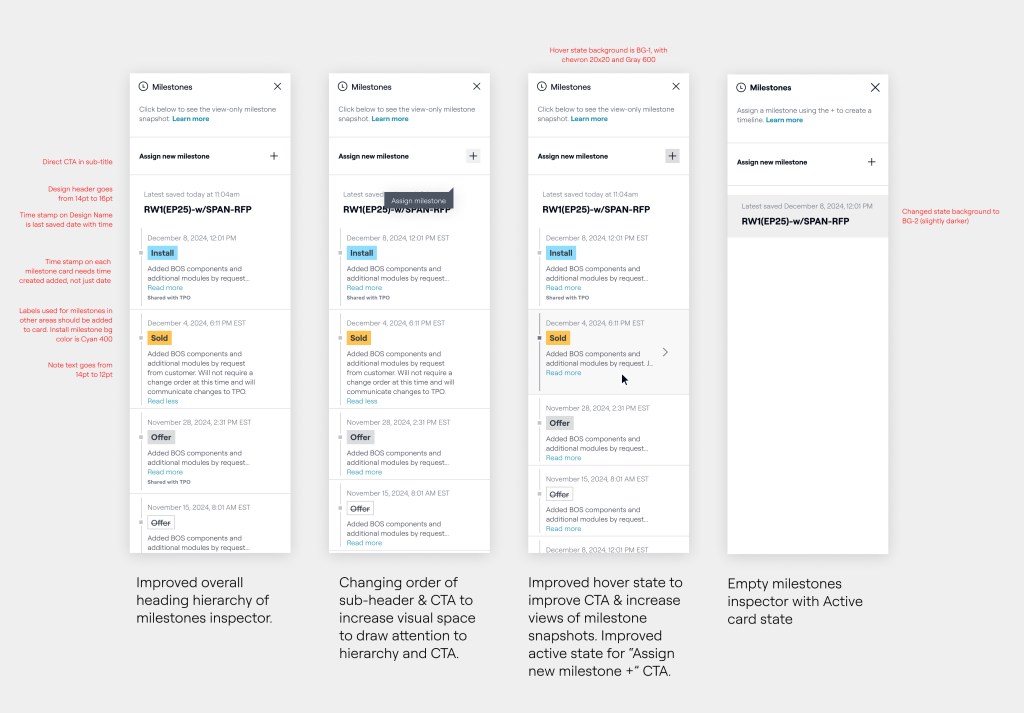
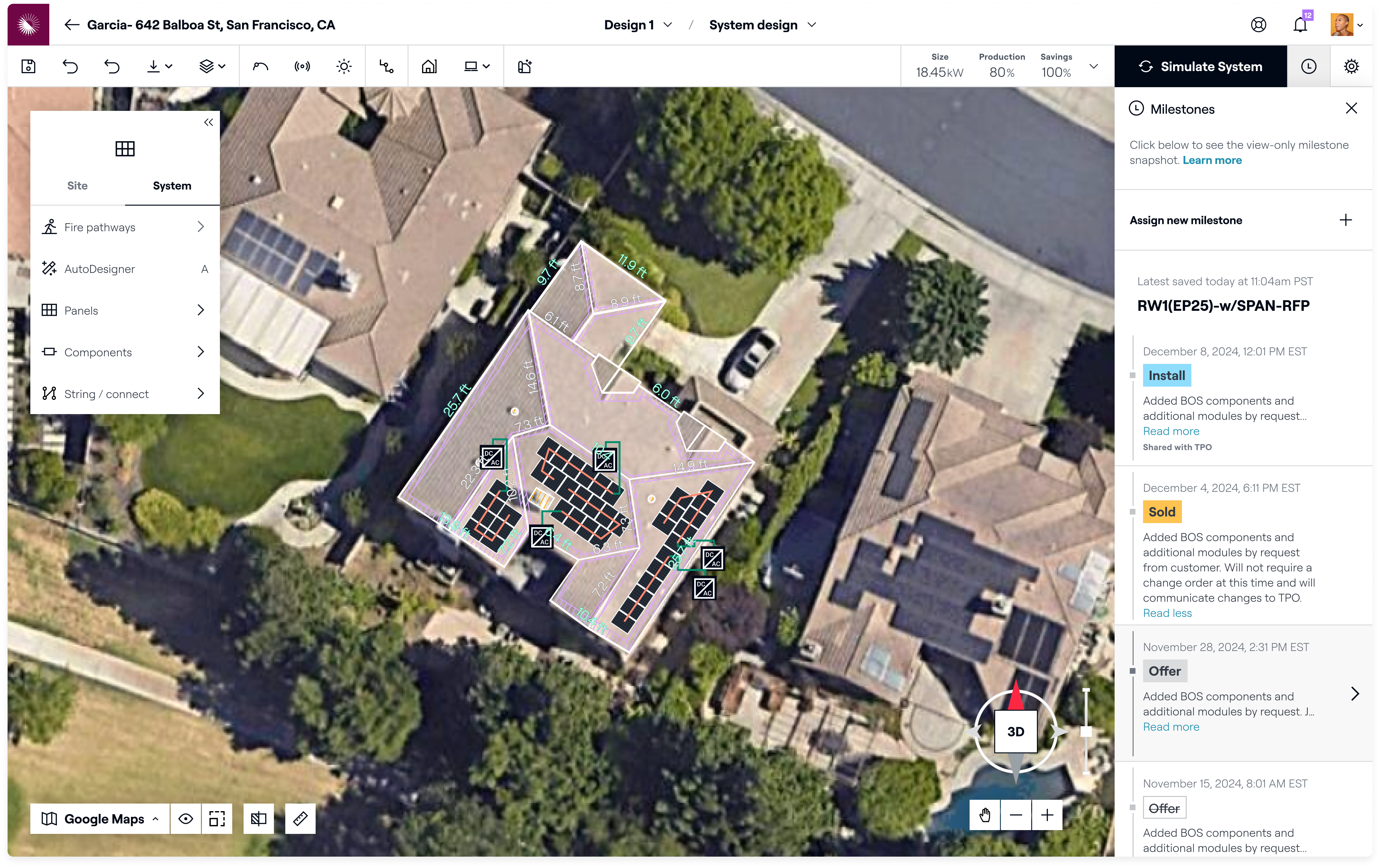
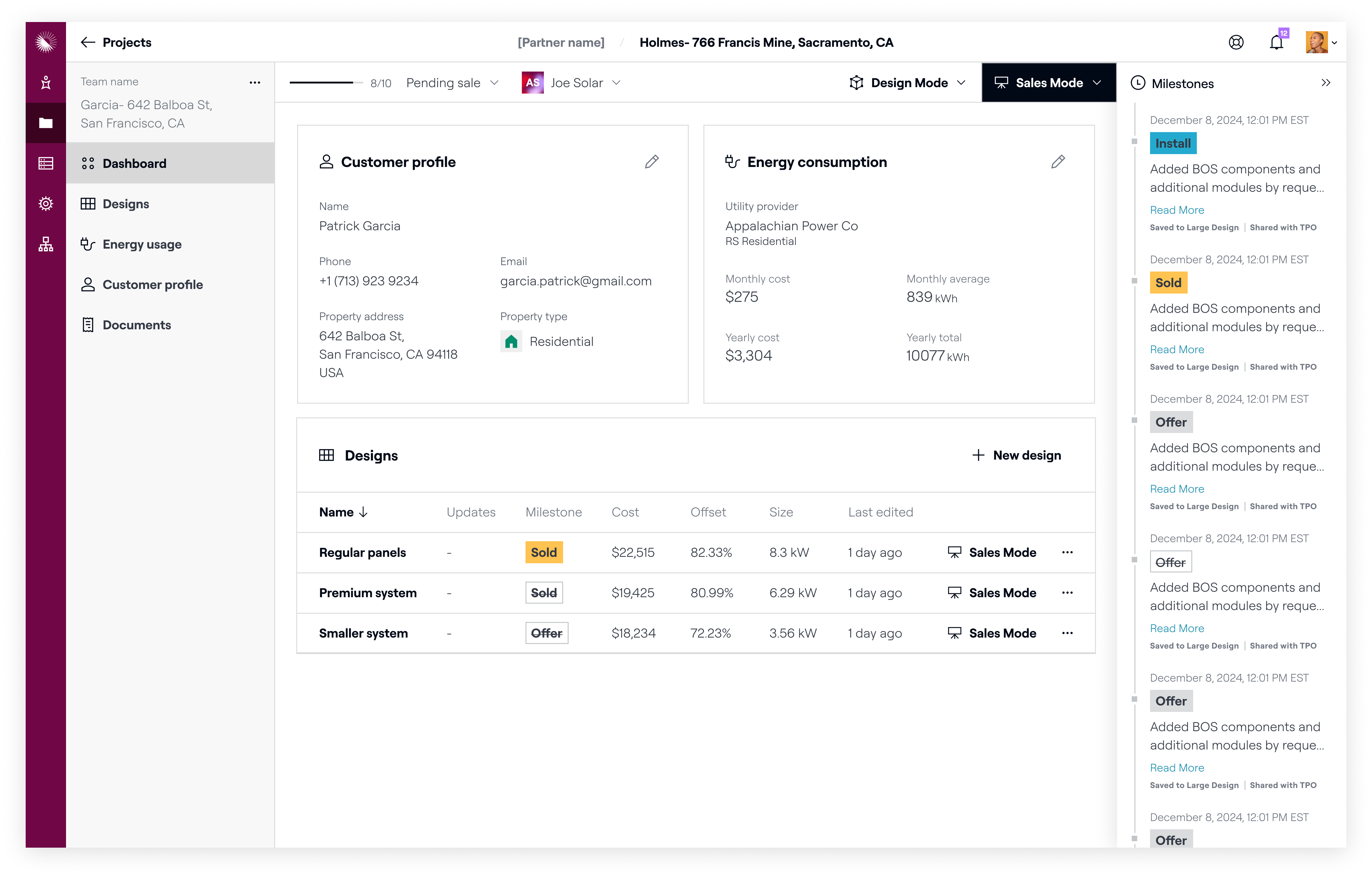
“Milestones” feature
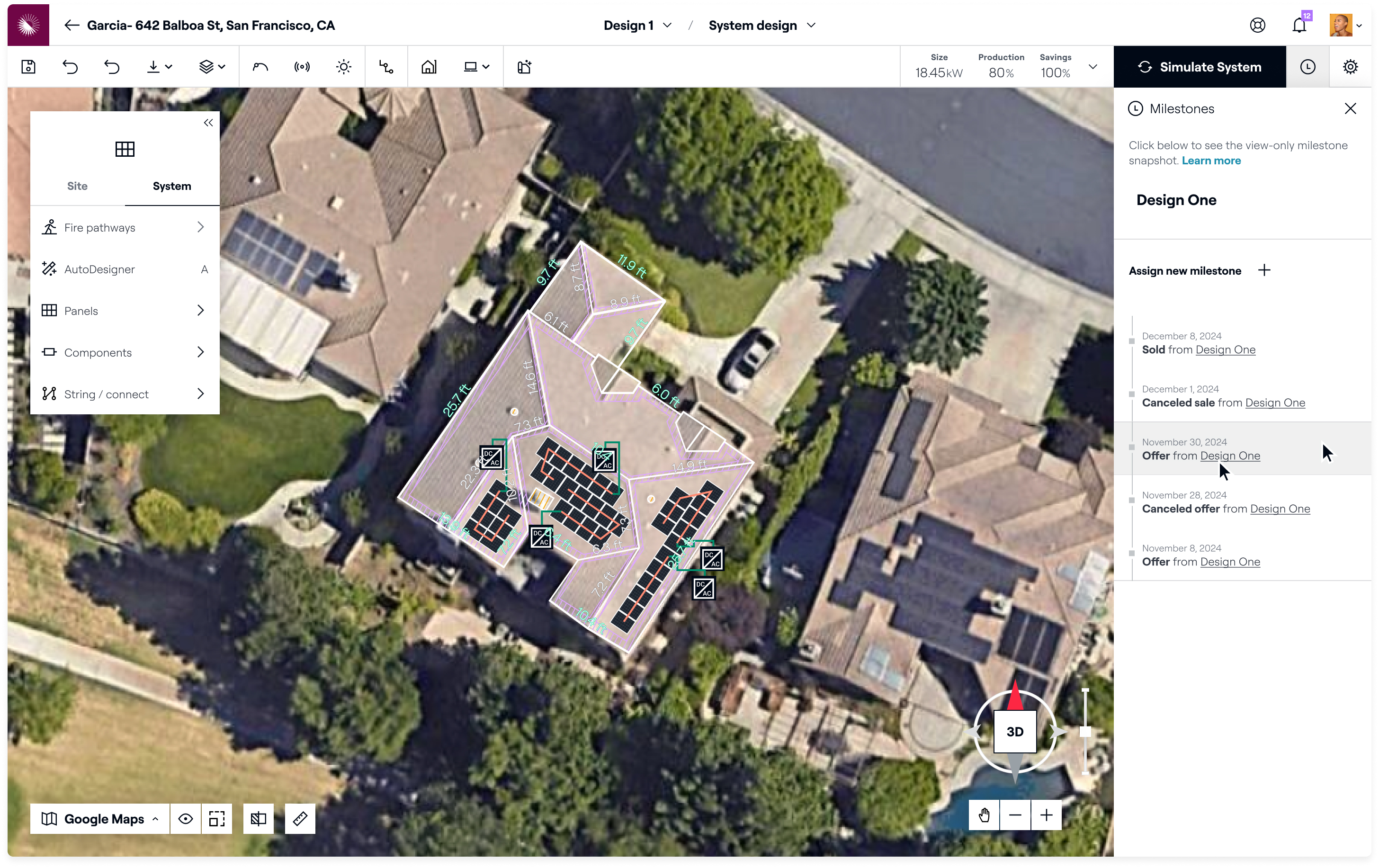
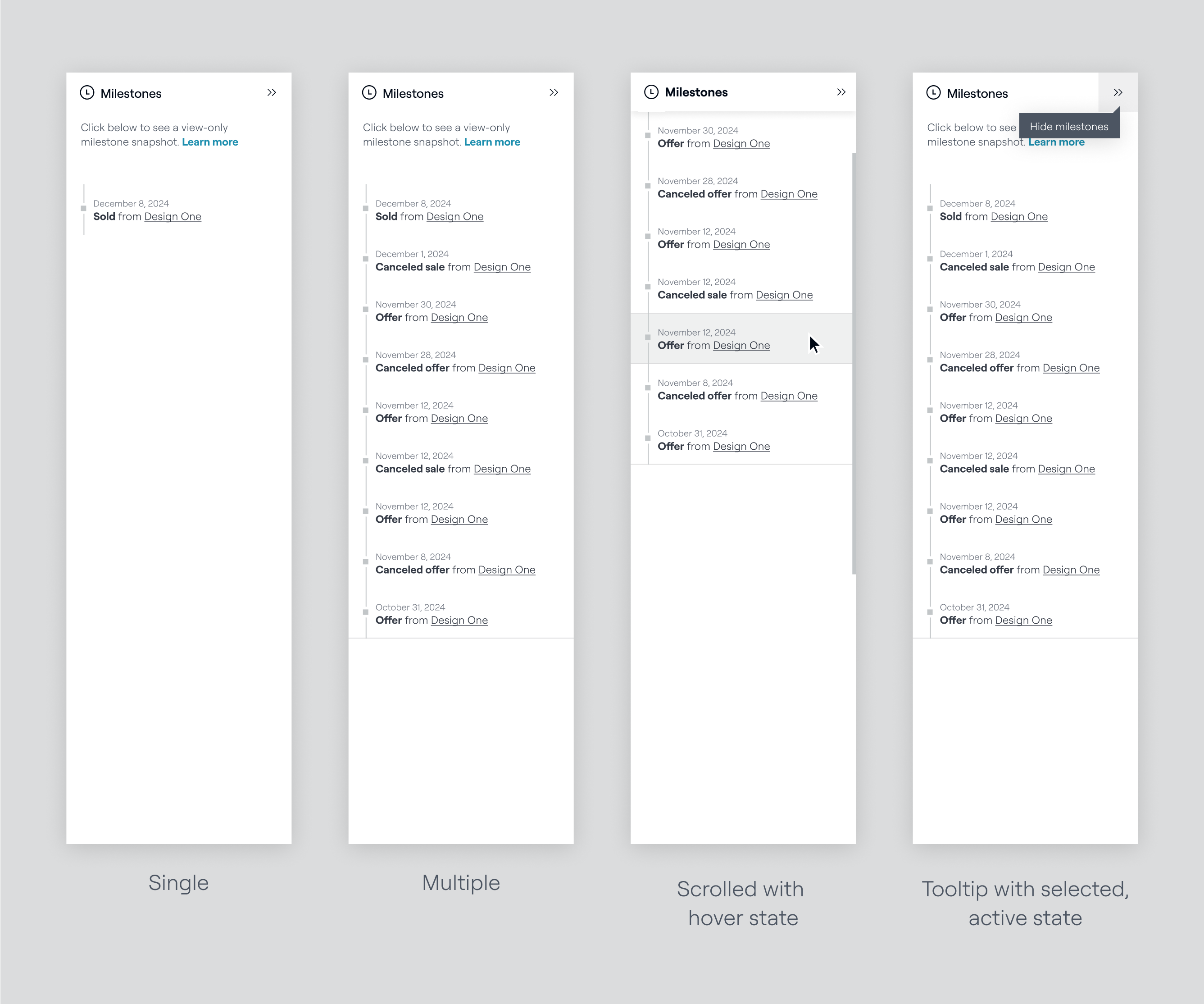
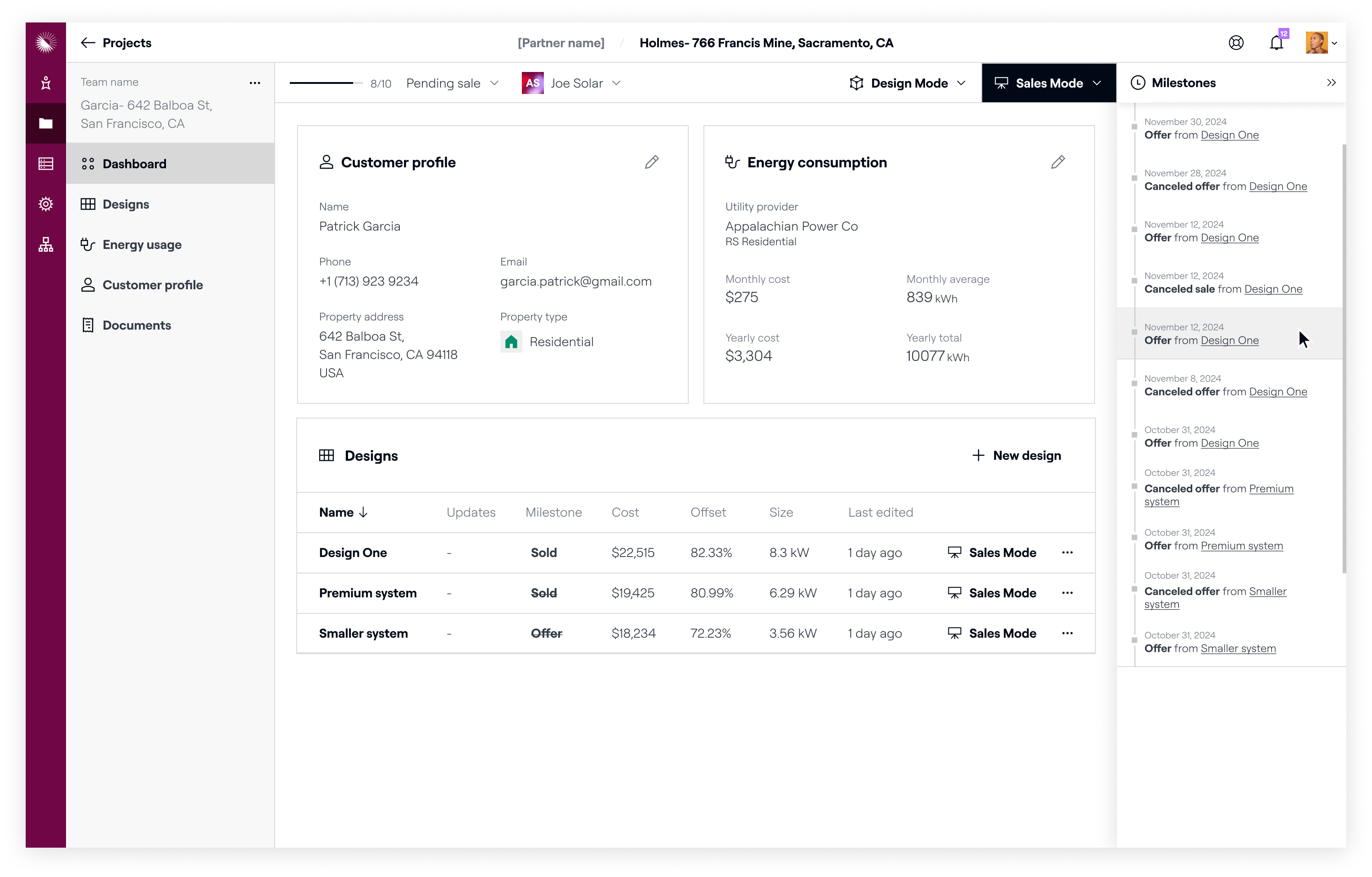
is a feature set our team took 0-1 at the end of last year which tracks and manages 3D solar design artifacts. It follows the design process from creation through various adjustments, requirements, and team hand-offs. For Aurora customers—typically Solar Engineers or Designers—a milestone represents a significant moment in a solar project worth preserving.
Opportunity overview
☹️
Customer problem
We noticed our Solar Designers facing various challenges with design file management. Multiple design files were being created for each project, but didn’t know why.
📉
Business opportunity
By reducing project change orders, which is the process of revising a rejected design, we can save the customer precious time and money, and in turn increase overall project volume and CLV.
⭕️
Challenges
Aurora didn’t have a way to aggregate important data across a solar design’s lifecycle, nor did we understand if a project had been completed and installed. Also, recently layoffs meant reduced team size and all hands on deck.
🙈
Risks
The vast majority of Aurora customers are already using CRMs and have likely integrated them with the Aurora product. We were taking a risk trying to understand if they also needed support with design file management.
The “CAD Platform” pod
Our team sat across the other 4 “Design Domain” pods to support platform oriented features and ensure consistency and coherence across the customer journey.

Mitchell
, Staff Product Manager

Rich
, Staff Software Engineer

Gui
, Lead QA Engineer
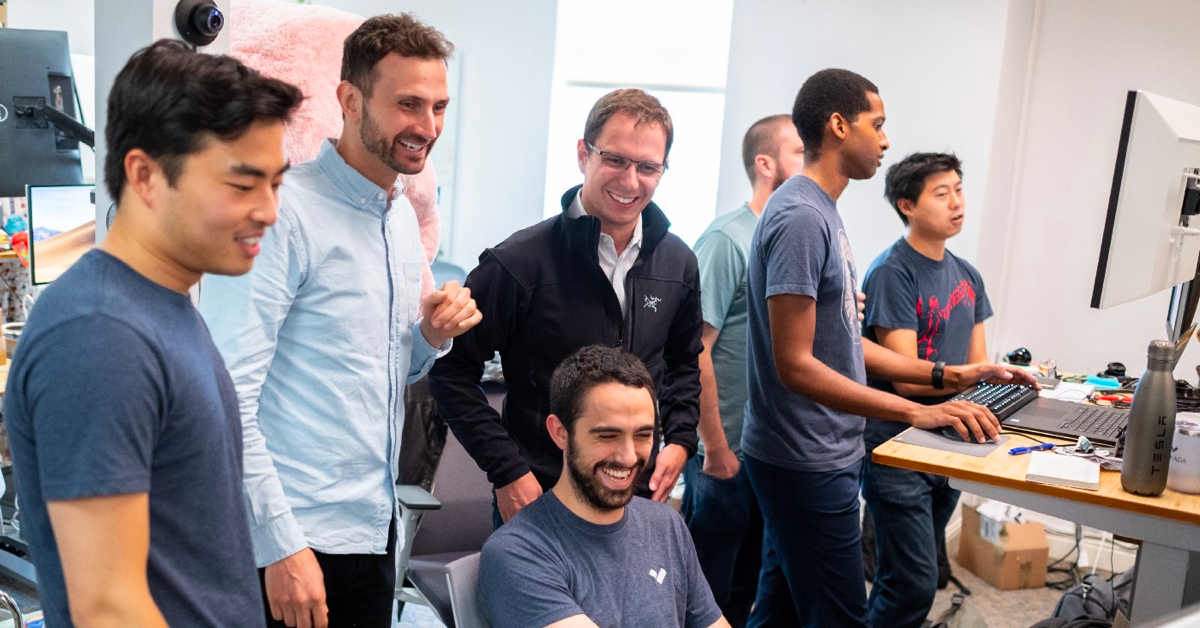
+ 5 additional CAD software & graphics engineers
✅ We set goals & KPIs
At least 3
Milestones feature should be adopted by three new enterprise customers within 3 months after MVP launch
300 milestones
Within CAD, Design Mode, or the Project Overview page, at least 300 milestones should be applied to design artifacts.
25% increase
How much the overall workflow support satisfaction in follow-up customer research.
Ideation & prototyping
Align as a full team on patterns we were seeing, then hypothesize together how we might solve them.
Here’s a few of the overall activities that we completed in this ‘Defining’ moment:
- Workflow analysis and service blueprints to identify processes and pain points (tool: FigJam)
- Pain point and opportunity prioritization 2×2 (tool: FigJam)
- How Might We workshop with full cross-functional team to fully explore (tool: FigJam)
- Design Studio with full cross-functional team to capture and gather innovative solution ideas (tools: paper, sharpie pens, camera phone, Slack)
- Lo-fidelity wireframes quickly in Figma utilizing the Aurora Design System
Design strategy & team guidance
Navigating life’s intricate fabric, choices unfold paths to the extraordinary, demanding creativity, curiosity, and courage for a truly fulfilling journey.
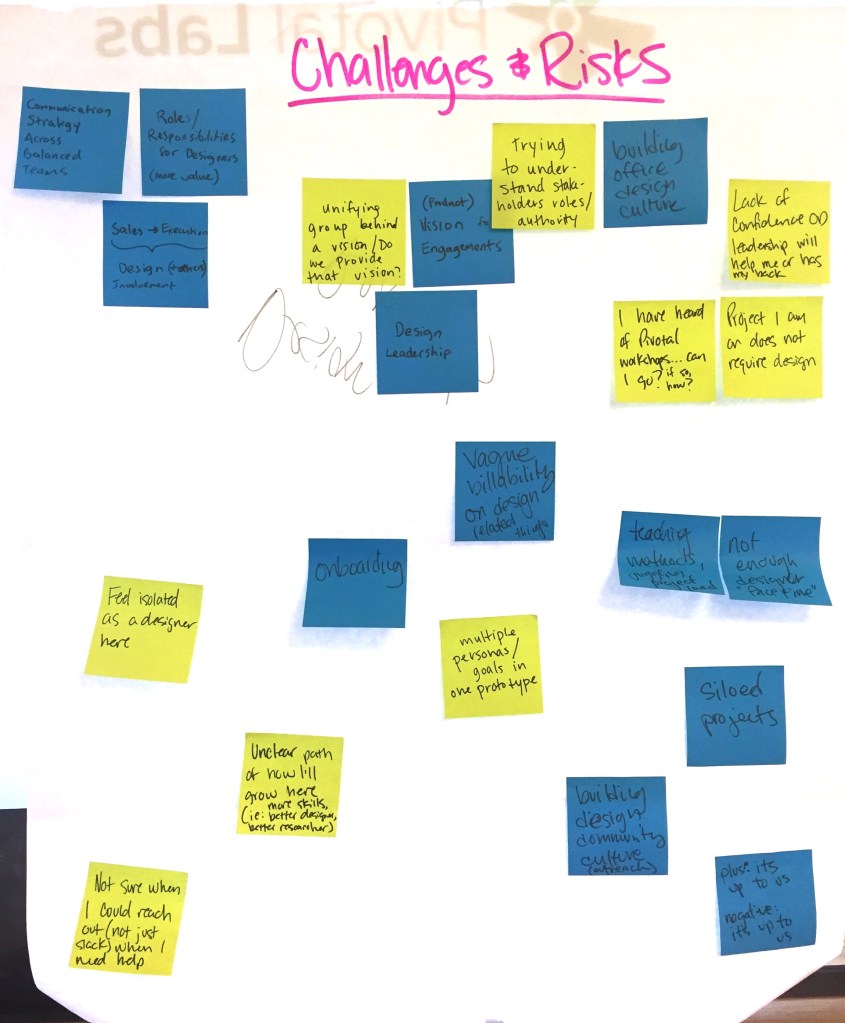
🏔 Streamlining processes to speed of delivery
I identified myself and with the teams involved, points of friction that stood in the way of delivering fast and brought people together to find resolutions we could all agree on.
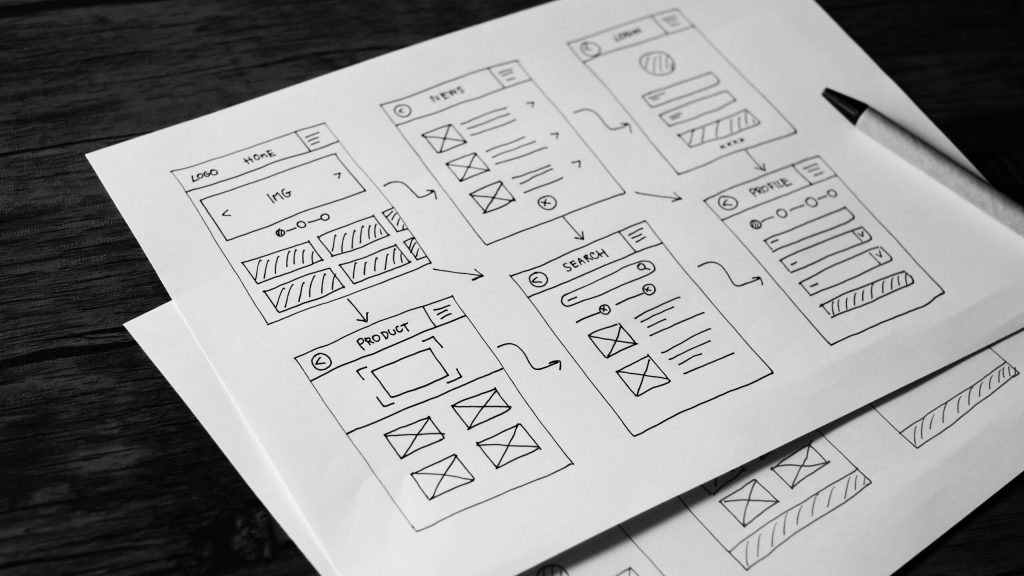
🤲🏽 Gathering ideas for innovative iteration
I was now hands-on delivering features in Figma, but regularly brought in engineering, product management, QA, and other designers from across the org to gather the most viable ideas.
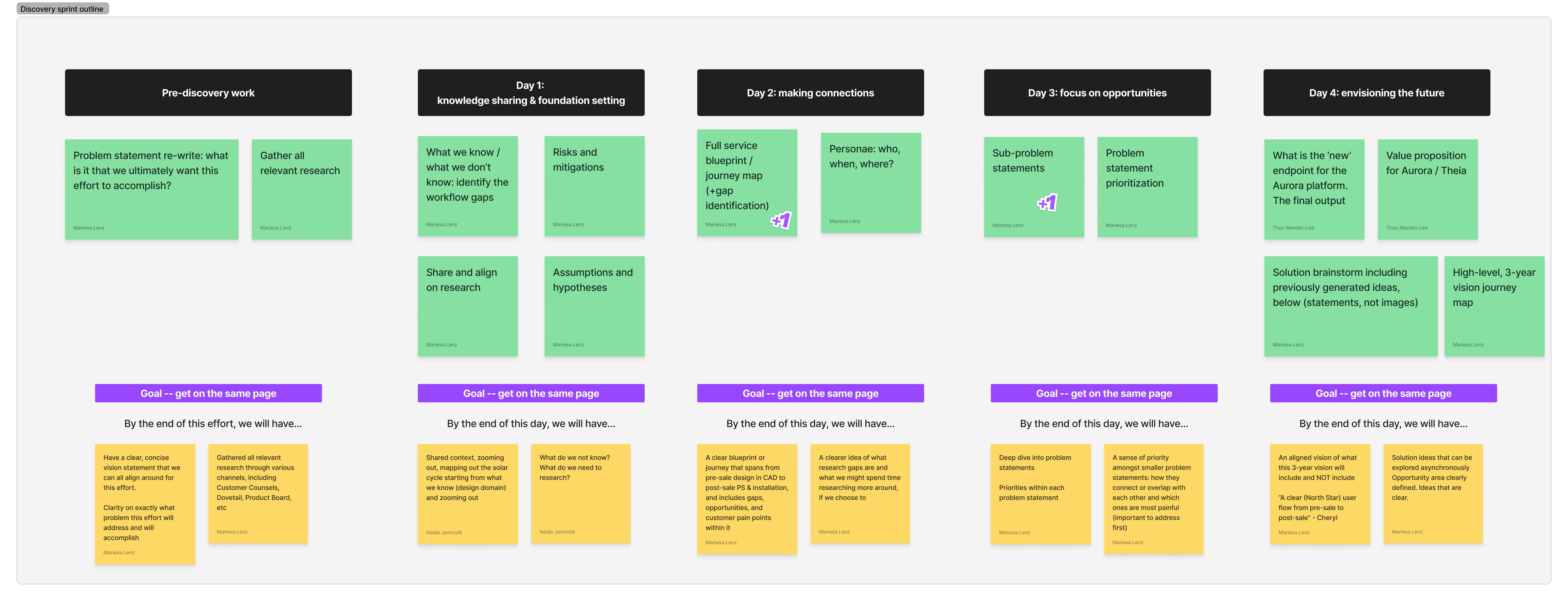
✨ Leading vision-setting & North Star efforts
Can we take the MVP and expand past that, knowing what’s most valuable and helpful to our customers and what will keep them utilizing our tool?
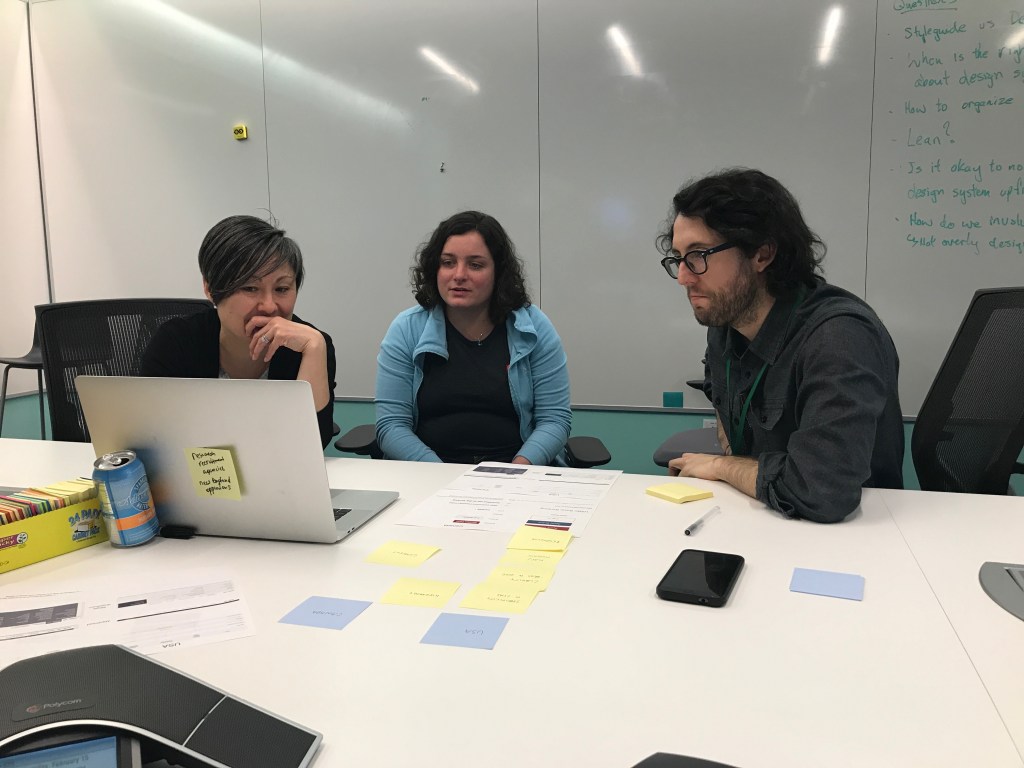
👟 Modeling cross-functional collaboration
The partnership we formed between Engineering, Design & Product Management stood as an exemplary model of how the three practices can come together to make the most impact.
Ready for launch
As we launched we leaned into monitoring & expanding the feature set. It was important to continue to build, measure, and learn of new ways Milestones was affecting design artifact workflow and monitor for additional features we weren’t yet able to provide.
Resulting business & customer impact
7,000
Number of Aurora Solar customers impacted
5
New enterprise customers acquired.
22%
Overall reduction in change orders.
Notable customers impacted

Freedom Forever
(United States)

Projet Solaire
(France)

Hakai Energy
(Canada)
Once we took the feature live with our Beta testing group, we watched the feedback and analytics roll in.
“It’s so great that I no longer need to create multiple designs within a project! I can use one design for a customer project and then just capture versions in the design via Milestones. This helps me move so much faster.”
Megha Katkar, Solar Design Engineer
Ulteig, Redmond WA
“Now when I go into Aurora after the Salesperson has created the first initial design, I know which design has been sold. I don’t know what I did before the ‘Sold’ milestones label! This makes such a difference to have an actual source of truth now.”
Kevin Mayer, Senior Solar Solutions Engineer
AES Clean Energy, Louisville CO
Takeaways & learnings
It’s my philosophy that every project and experience has something to teach us. No matter the expertise or experience of the person, there is always something to learn and take away from a project that could be done better or differently next time. There’s also always things done well that should be done and re-applied for the next project as well! Here’s a few of those reflections for the Milestones work:
🏆 Things we did well
- We co-created together some of the best PM/Design/Eng collaboration of my career.
- We had no knowledge silos: we co-owned research, synthesis, next steps, and the review of analytic data, and more!
- We got our incredibly talented QA person & Engineers involved early on in the process to boost ideas and impact.
- Reduced risk through leaning into a very agile process, lean experimentation, & rapid iteration
🧐 Things we could have done better
- Unfortunately company reprioritizations disrupted our ability to do additional iterations.
- We could have acted on quick fixes even faster and done more design-eng delivery pairing.
- If there’d been more time, we could have included even more space for visionary design work and additional cross-org input.
- We could have promoted features more widely and earlier with Marketing team involvement.

